Table of Contents
Introduction
Have you ever followed a recipe step by step, only to end up with dry, flavorless chicken? Or perhaps you’ve hesitated before serving it, unsure if the temperature is chicken done and safe to eat? The secret to juicy, safe, and perfectly cooked chicken lies in one crucial detail: knowing exactly when the temperature is chicken done. Experts rely on these simple methods to guarantee safety and tenderness every time. Let’s explore how you can do the same 🍗!
Why Monitoring the Temperature Is Chicken Done Matters?
This guide focuses on a single but vital aspect of cooking chicken: confirming that the temperature is chicken done to ensure both safety and quality. Undercooked chicken can carry harmful bacteria like Salmonella, while overcooked chicken turns dry and tough. The good news? This beginner-friendly guide takes less than 15 minutes to understand and requires no advanced skills—just attention to detail. By the end, you’ll confidently know how to tell when the temperature is chicken done, no matter the cut or cooking method.
Essential Ingredients
Before diving into the techniques, here’s what you’ll need to get started:
- Chicken: Any cut works—breasts, thighs, drumsticks, or a whole bird.
- Meat Thermometer: Non-negotiable. This is the most reliable tool to confirm when the temperature is chicken done.
- Oven or Stovetop: Use your preferred cooking method—baking, grilling, sautéing, or roasting.
- Patience: Rushing the process can lead to undercooking or drying out the meat.
Pro Tip: If you don’t already own a meat thermometer, invest in one. It’s a small cost that ensures both food safety and delicious results every time you check if the temperature is chicken done.
Step-by-Step Instructions
1️⃣ How to Confirm the Temperature Is Chicken Done Using a Thermometer
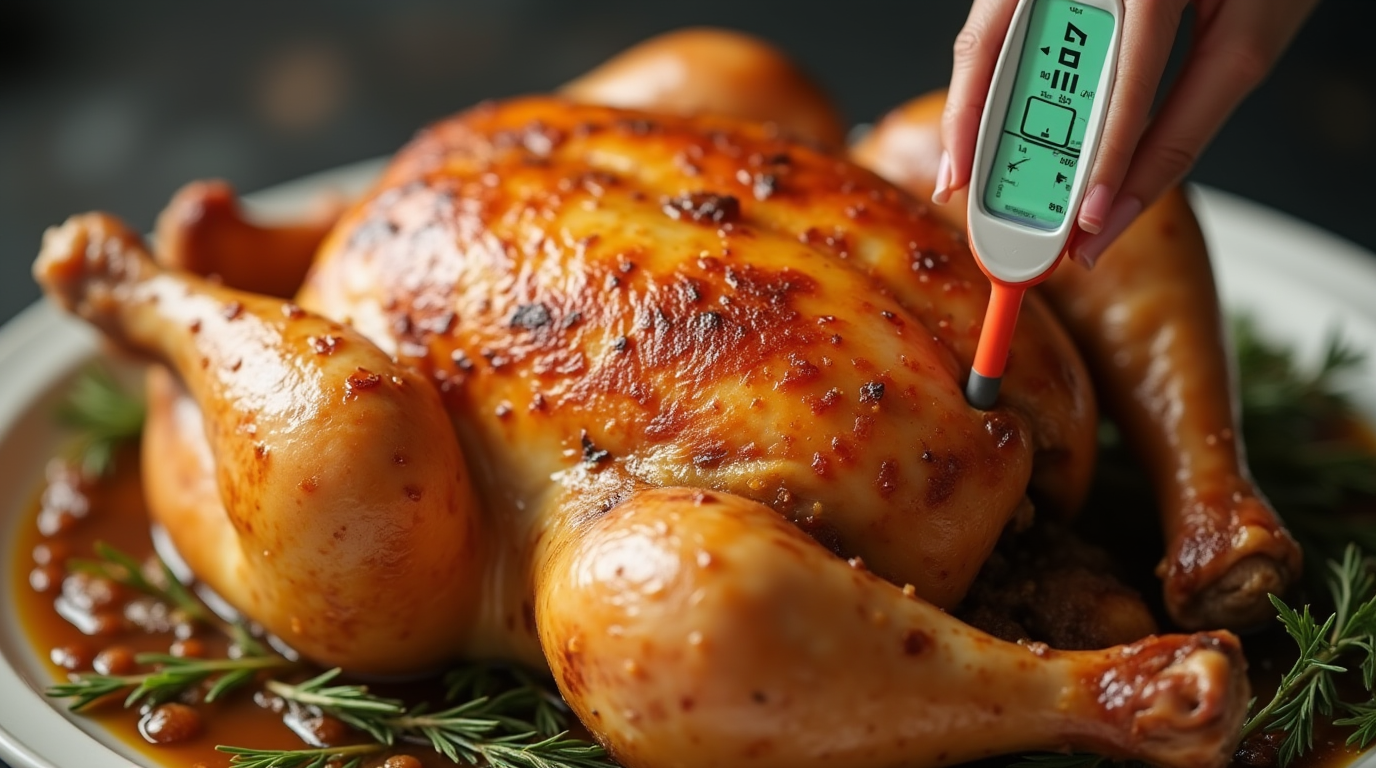
The most accurate and foolproof method to determine when the temperature is chicken done is using a digital meat thermometer.
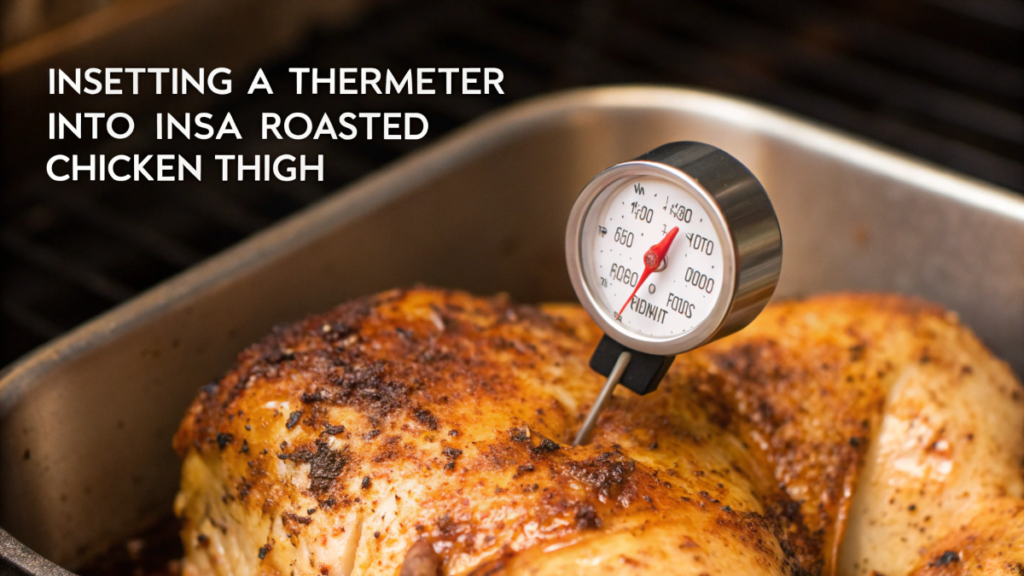
- Insert the probe into the thickest part of the meat, avoiding bones (they can give false readings).
- Wait for the reading: the temperature is chicken done when it reaches 165°F (74°C)—the FDA’s recommended safe internal temperature.
- Remove the chicken from heat as soon as it hits 165°F. It will continue to cook slightly during resting.
2️⃣ Check the Juices (A Helpful Visual Clue)
While not 100% reliable on its own, examining the juices can support your judgment.
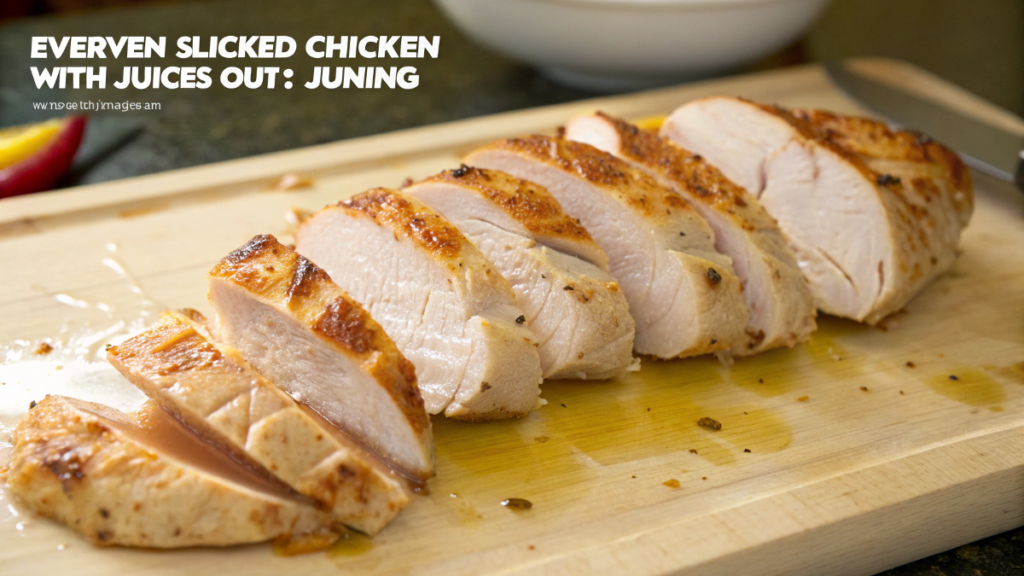
- Cut into the thickest section of the chicken.
- If the juices run clear instead of pink or red, the chicken is likely cooked through.
- For best results, pair this method with a thermometer to be sure.
3️⃣ Test the Texture and Firmness
With practice, you can gauge doneness by touch.
- Raw chicken feels soft and squishy.
- Cooked chicken becomes firmer and springs back slightly when pressed (use tongs or a fork to avoid burns).
- Try comparing raw and cooked pieces side by side to build your intuition.
🧠 Like anything, practice improves accuracy. The more you cook, the better you’ll get.
4️⃣ Look for Visual Cues
Appearance can also signal doneness.
- Cooked chicken turns opaque and white, not translucent or pink.
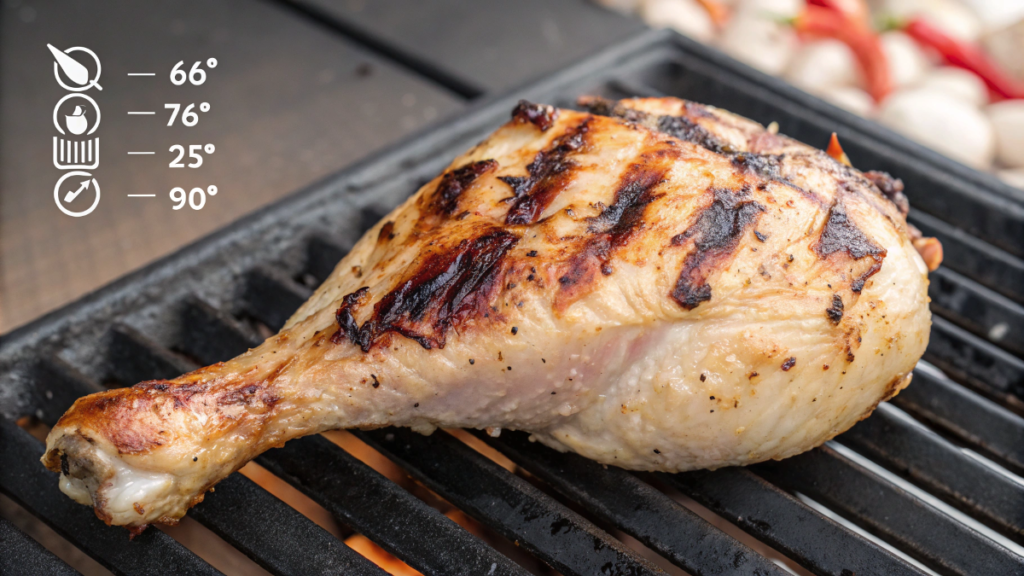
- Grilled chicken should have even browning and distinct grill marks.
- Avoid relying solely on color—some chicken may brown before it’s fully cooked inside.
Safe Internal Temperatures Reference Table
| Chicken Type | Safe Temperature (°F) | Notes |
|---|---|---|
| Boneless Breast | 165°F | Cooks quickly—watch closely to avoid drying out |
| Thighs/Dark Meat | 165°F | More forgiving; stays juicier even at safe temp |
| Whole Chicken | 165°F | Check the thickest part of the breast and inner thigh |
📌 Keep this chart handy while cooking for quick reference and consistent results.
Assembly
Now that you’ve confirmed your chicken is fully cooked, it’s time to serve!
- Slice evenly for neat presentation.
- Pair with sides like roasted veggies, rice, mashed potatoes, or a crisp salad.
- Add a garnish of fresh herbs—parsley, cilantro, or chives—for a pop of color and flavor.
✨ Presentation Tip: Arrange your chicken on a platter with vibrant sides for a beautiful, restaurant-style dish
Storage and Make-Ahead Tips
Leftovers? Store them right to keep chicken safe and delicious.
- Let the chicken cool slightly before refrigerating to avoid condensation.
- Place in an airtight container and refrigerate for up to 3–4 days.
- Reheat gently in the oven or microwave, adding a splash of broth or water to preserve moisture.
❄️ Pro Tip: Portion and freeze cooked chicken for quick meals later. Label with the date—use within 2–3 months for best quality.
Recipe Variations
Don’t settle for bland! Elevate your chicken with these ideas:
- Marinate in yogurt, lemon juice, garlic, and spices for tenderness and bold flavor.
- Try different methods: grill for smokiness, bake for ease, or air-fry for crispiness.
- Season creatively: paprika, cumin, garlic powder, cayenne, or herbs de Provence can transform a simple dish.
🌶️ A little spice goes a long way—add heat or depth to suit your taste!
Conclusion
Knowing when chicken has reached the perfect internal temperature is a game-changer in the kitchen. With these four simple techniques—especially using a thermometer—you’ll consistently serve safe, juicy, and delicious chicken. No more guesswork, no more dry meat. Grab your tools, fire up your stove, and start mastering your favorite recipes with confidence. Happy cooking! 🍴
FAQs
Q: What happens if chicken isn’t cooked to 165°F?
A: Undercooked chicken may harbor harmful bacteria like Salmonella, which can cause food poisoning. Always cook to 165°F for safety.
Q: Can I trust visual cues alone?
A: Always check the temperature is chicken done using a thermometer for accuracy.
Q: How long does it take to cook chicken to 165°F?
A: It depends on the method and cut. Boneless chicken breasts typically take 20–25 minutes at 375°F in the oven. Thighs may take longer.
Q: Are there health benefits to properly cooked chicken?
A: Yes! Chicken is rich in lean protein, B vitamins, and essential minerals. Cooking it safely ensures you enjoy these benefits without risking illness.